
It is easy to write and talk about what kinds of aid to Africa don’t work. I’ve done that several times already 😊 Except, using constructive criticism is a different cup of tea but let’s give it a try!
Today, drawing on our Foundation’s twelve years of experience, I would like to share some thoughts – on, what in our opinion is truly effective. What kind of aid do we consider meaningful?
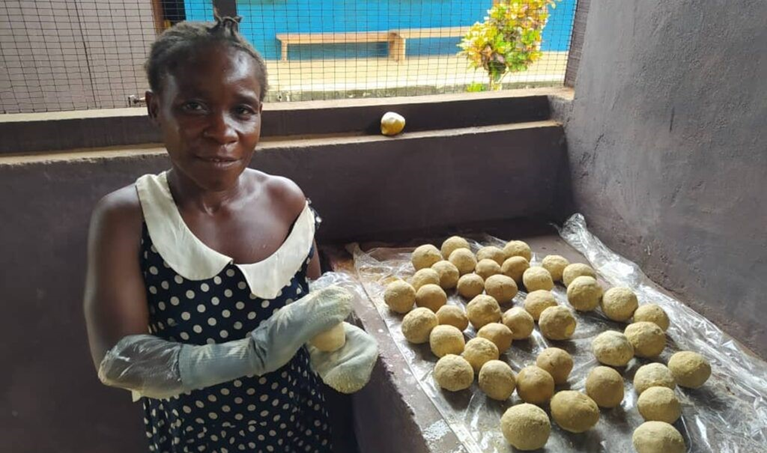
1. First of all, the aid has to be locally initiated. It’s the people in communities, that need support who identify what is needed and where. They know best. Those are local leaders, organisers and experts in their own expertise. Do you know what happens when you design projects, thousands of miles away from the people they’re meant to help? Once I spoke with the headteacher of a school in Cameroon. She told me about a computer lab that had been donated to her school by a large American aid organisation. It is a good gift but their school has electricity for about two hours a day. The computer lab was turned into a maths classroom. A volunteer who worked in Nigeria told me another story: It was about red t-shirts that had been donated to local children. None of the children wore them because red is a colour taboo there.
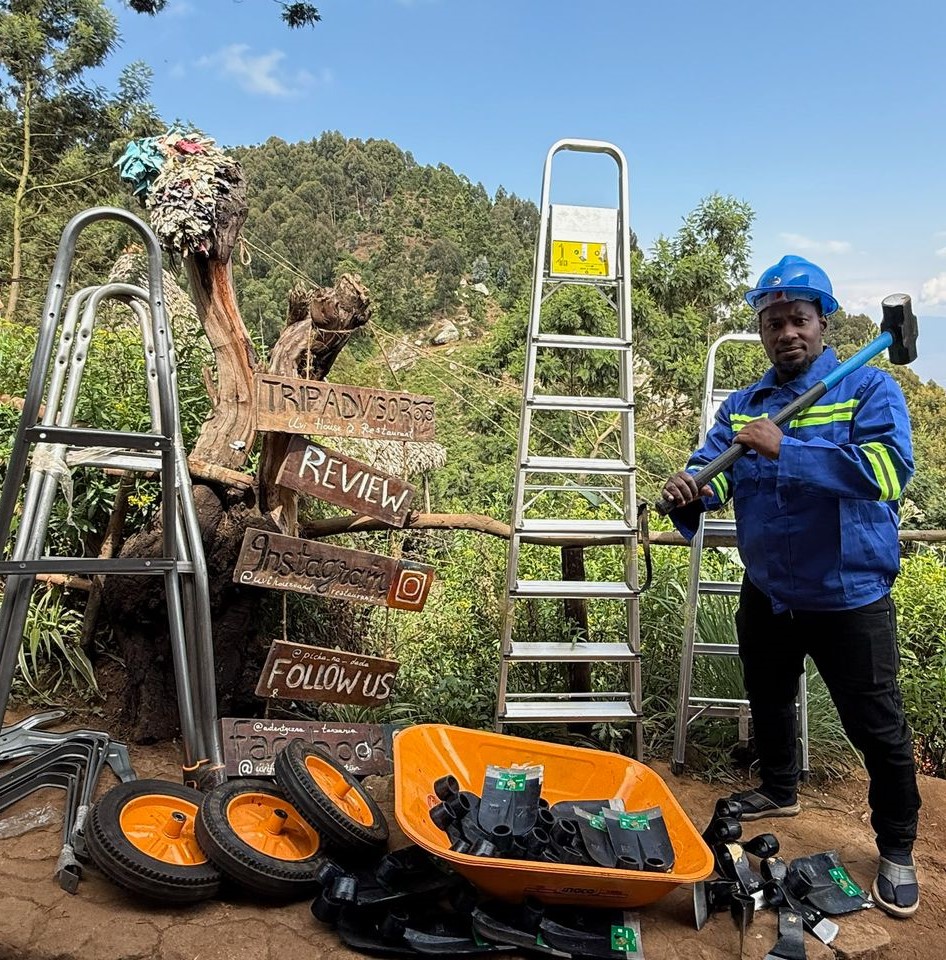
2. Help should not only be made up on the spot but also carried out by the hands of local people. If there is one thing – they don’t lack in Africa is manpower. The continent’s greatest asset is it’s people. More than two billion pairs of hands ready to work. What is more, African societies are very young the average age is 24, compared with 42 in Europe. The best solution is when the people are those who are engaging in aid. We must remember: the source of an income is work. Not a single country has ever become an economic power through aid alone, but through work.
“I have never seen a country develop through foreign aid or loans“ said the President of Senegal Abdoulaye Wade. The countries that have achieved development – those in Europe, America, Japan and Asian countries such as Taiwan, South Korea and Singapore all believed in the free market. There is no mystery to it. After the colonial era Africa chose the wrong path.
Another issue, of course is the trade barriers that prevent Africa from selling the products of its labour on Western markets. There is also the tariff system, which makes it unprofitable to import processed products from Africa while allowing raw materials to be imported on much more favourable terms. The result is a drain of the continent’s natural resources, while the Global North protects its own markets from lower-priced African products. What is urgently needed is the opening of markets and investment in Africa on the basis of equal partnership.
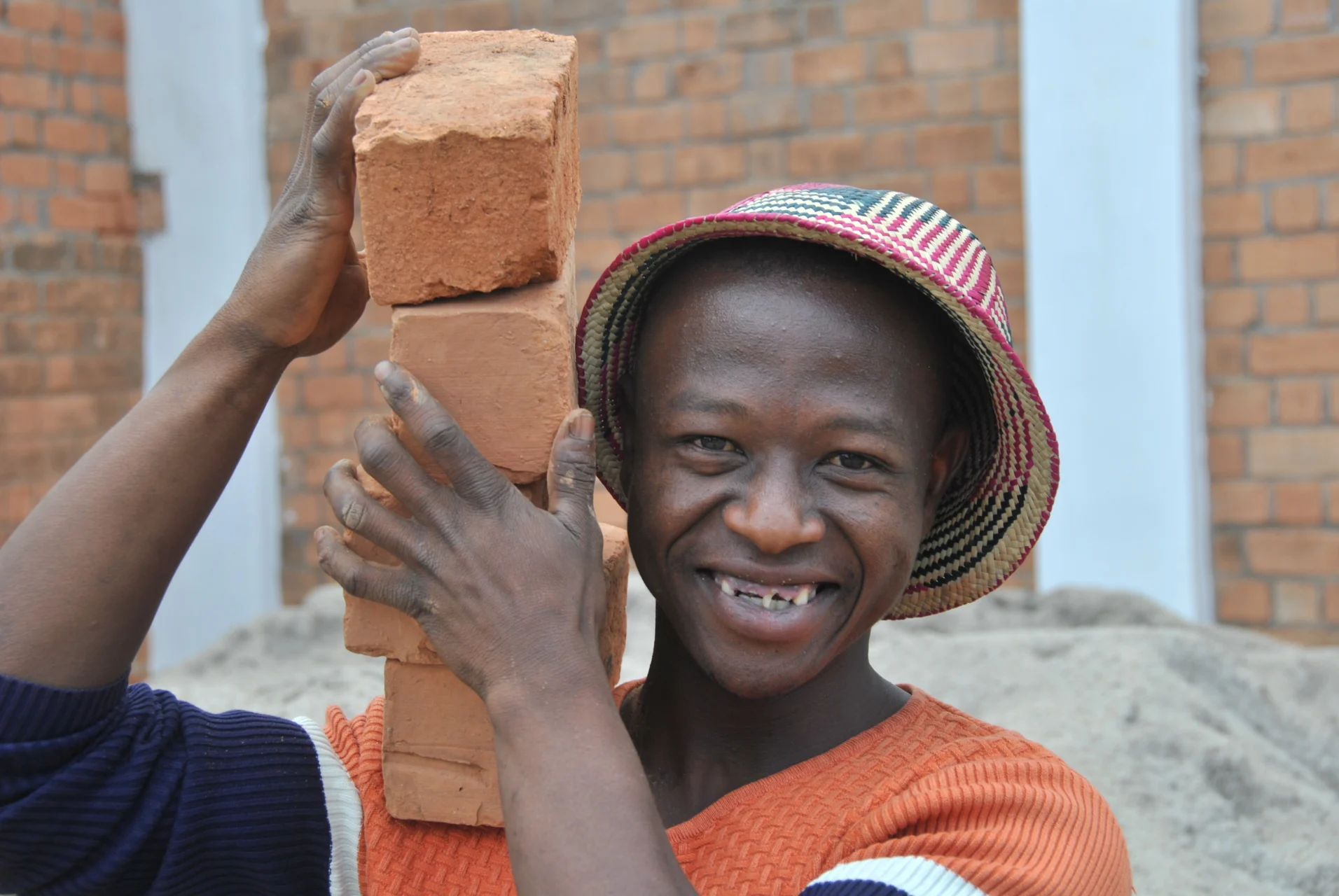
For this reason, we do not encourage young people to take part in so-called volunteer trips. These are usually organised by commercial companies that profit from them. In most cases, young volunteers work as unskilled labourers, which only takes jobs away from local people or as language teachers. Short placements, often lasting only a month, can have a negative impact on the psychological well-being of their students.
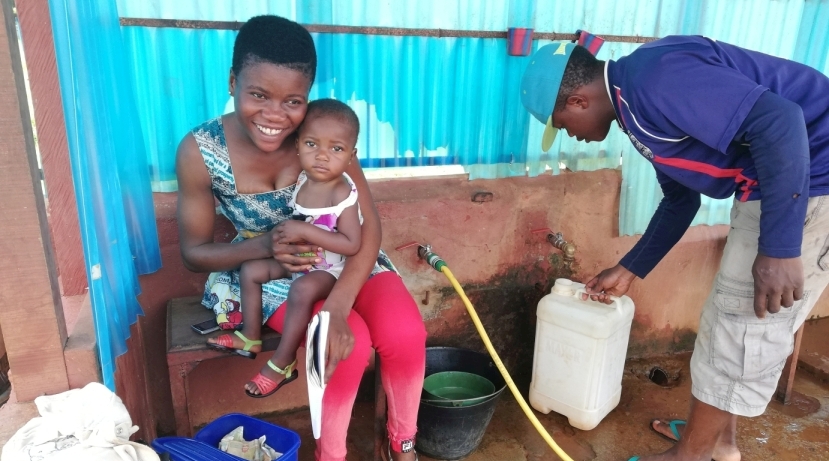
3. Aid that limits the shipment of free goods. No one would be able to compete with products provided free of charge. There is nothing cheaper than products costing zero: it doesn’t matter if it’s: złoty, kwacha or Ariary. Rwanda has just already included restrictions on an import of worn clothes. It has already happened in Kenia (Cotton industry has fallen.) or Haiti (Rice production declined due to overly prolonged humanitarian aid after a natural disaster.) This is the reason why we do not encourage young people, trying to help, to participate in humanitarian campaigns like: worn clothes, worn shoes etc.) Delivering goods which can be bought or produce at place makes no sense, it’s even counter-productive or even unprofitable. I remember some kind-hearted man, who send DR of Kongo a school items, (like: notebooks and pencils) worth about 1000 PLN, while he paid 1400 PLN.
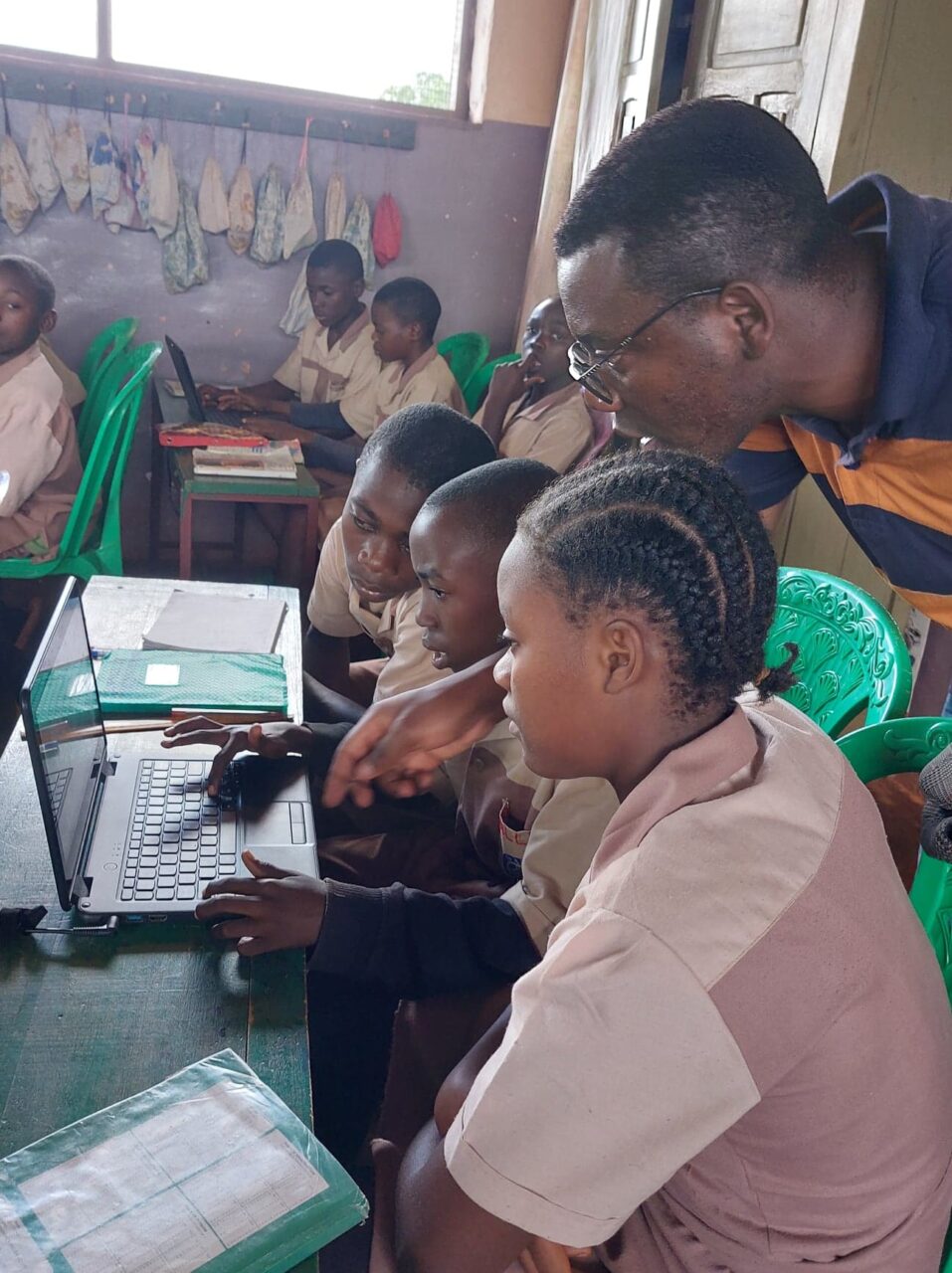
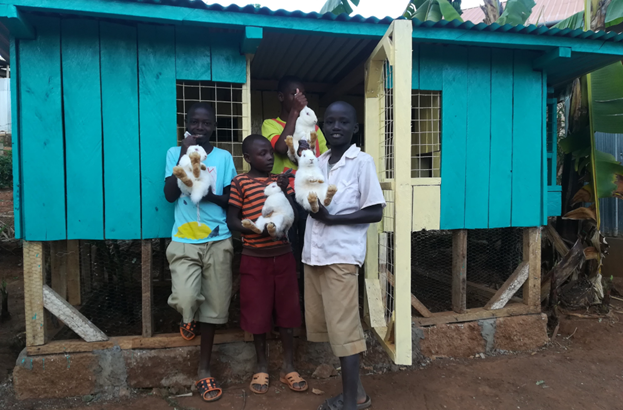
It is worth to invest in financial independence of pro-social initiatives at place. The farm saving money for an orphanage? Oil mill per school? Cattle-breeding for a children’s home? A little shop maintaining 40 homeless kids? Perfect solutions – that’s what we like, support, the more the better!

One of my favourite professional experiences is the story of furnishinga newly built Polish Hospital in Mampikony, Madagascar, with wooden joinery. The hospital’s windows and doors were made by graduates of the carpentry school that had been established a few years earlier through our support.

5. Generally everything that makes local economy rise, is a wonderful way of help.

The solution of Noble Price are saving and loans associations, gathering systematically small amounts of money from several people (mostly women) which – gathered – help to run a business. This was the situation in Tanzania.
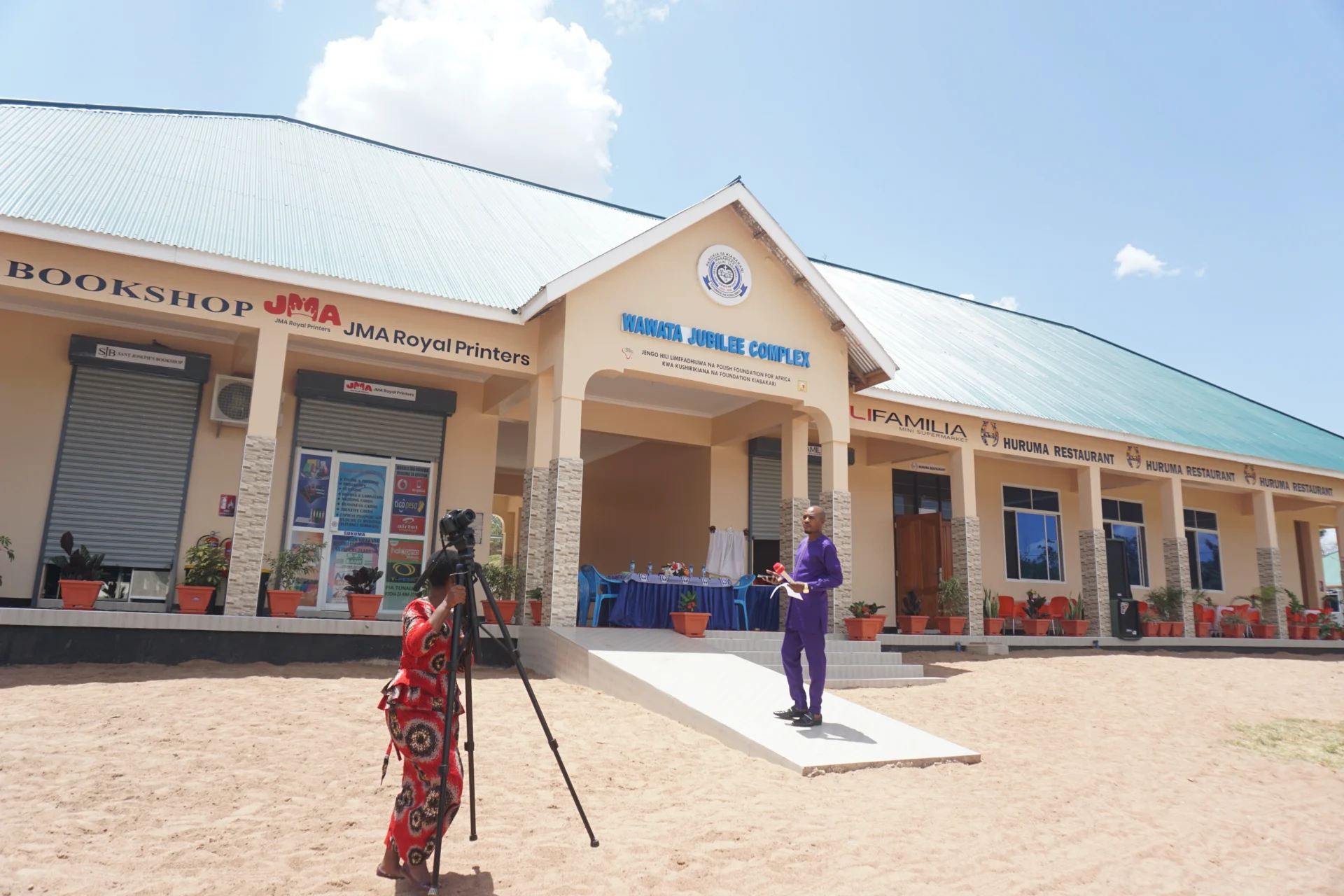
6. Good aid is one that increases a sense of agency among local people, gives them satisfaction from working with their own hands, and provides them with experience, knowledge, and a sense of pride. It strengthens their sense of identity.
It breaks away from a mentality of dependence on Western aid. (Unfortunately, this mentality is still very much alive… especially in the West).
The aid which is the most essential is the one delivered by local organisations and local leaders. International aid system is based on institutions that deliver goods to African governments. However, this system has it’s limitations. Experts from an American University of Hopkins has calculated that the aid industry is an equivalent of the fifth world economy. In the period of several dozen of years has aided almost 2 trillion dollars to Africa. Every year it is about 150 billion dollars. Adjusted for today’s currency, the Marshall Plan amounted to about 120 billion dollars. Yet in some African countries, the standard of living is lower than it was in the 1960s.
Valuable products provided to African Governments carries a significant risk of corruption. As the British economist Peter Bauer once remarked no doubt with considerable exaggeration, it is “An excellent method of transferring money from poor people in rich countries to rich people in poor countries.” As a result, his country has withdrawn its financial support for the Kenyan government.
Maintaining those form of help totally ruins the idea of social contract between citizens of the African Countries and their governments. If at one point, 43% of Rwanda’s national budget was funded by foreign aid than the governments of that country were responsible to… The West and not it’s citizens. Such aid partly relieves those in power of the responsibility to provide basic services such as healthcare and education. It also helps maintain a post-colonial balance of power.
Summing up:
„It is more of a cooperation then help” – as the modern expert say. Others add that the final aim of help should be growth.
PS
Here, I add a few arguments against supplying Africa with ready-made items and sending financial suport instead (As we encourage to):
👍Financial suport should be invested and provide jobs locally and suport local economy.
👍Delivering transports with ready-made goods entails costs (carriage, warehousing, insurance, customs duties, bribes, management.)
👍Sending financial support helps adapting quickly to rapidly changing needs. (Floods, epidemic etc.)
👍 Financial aid makes it possible to purchase goods locally, supporting local businesses and ensuring that the goods are better suited to specific local needs, such as cultural norms and climatic conditions.

👍 When providing ready-made goods, it is necessary to organize their sorting, washing and cleaning on-site, as well as their eventual disposal (and we are already flooding Africa with waste) or return.
👍Financial help (for example destined for investments) creates a real cooperation with their local leaders, experts or tradespeople – their contribution is significant: they know local language and culture, they help prevent people outside of communities from making stereotypical mistakes, they enjoy the trust of local community, they inspire others to get involved.
That’s what happened while building a bridge in Cameroon: